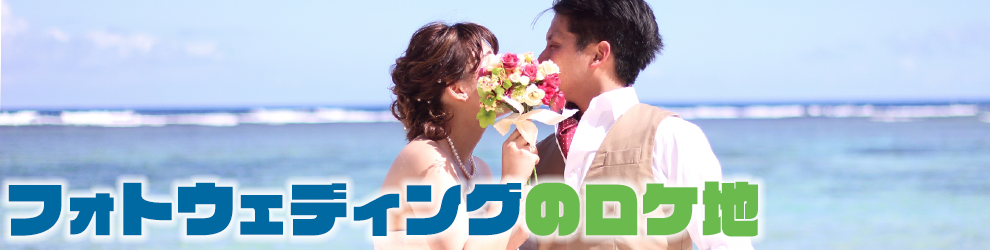
フォトウェディングにおすすめな場所
このサイトでは、フォトウェディングをロケでする魅力をさまざまな角度から紹介しています。
一生の思い出になるように、どのような場所が良いかなど参考にできます。
また結婚式とは違って、季節などを比較的自由に選びやすいです。
選びやすいということはそれだけ悩む人も多いです。
せっかく撮影をするなら後からイメージと違ったということがないように、さまざまな観点から紹介しているので、イメージを膨らませながら参考にできます。
フォトウエディングをロケでする魅力
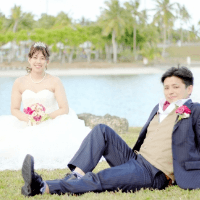 フォトウェディングをロケですることは、さまざまな魅力があります。
まずは、思い出の場所や景色の良い場所など結婚式とは違った雰囲気の中で撮影できることです。
フォトウェディングは二人だけで、場所や季節を選べるので特別なロケーションで行えます。
二人しか分からない思い出や、観光名称などで撮影を行うとよりロマンチックです。
形として残せるのがフォトウェディングで、後から写真を見たときにより素敵な写真だと感じるでしょう。
また、ロケで行う魅力は外という解放感があることです。
空や自然に囲まれれば、気持ちも自由になって自然と笑顔になります。
新婚旅行といった特別な旅行中に撮影できるのも良いところです。
新婚旅行がより特別な思い出になるでしょう。
ロケ地や衣裳にこだわったフォトウェディングの魅力
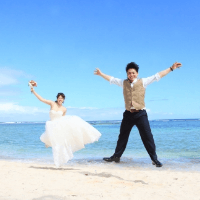 フォトウェディングは、結婚式のスタイルのひとつです。
結婚式を挙げる代わりに、写真撮影のみを行います。
挙式をせずに写真だけを撮影するスタイルのため、衣裳やロケ地にこだわる人も多いようです。
フォトウェディングを選ぶカップルには、費用の面で挙式や披露宴が出来ない場合や、授かり婚のため挙式が出来ない場合、籍だけを入れた場合などそれぞれの事情があります。
結婚式を挙げる場合は、早い段階でスケジュールを組んで式場の予約をする必要がありますが、フォトウェディングの場合は、いつでも可能です。
フォトウェディングの魅力は、数多くの衣裳の中から好きなものを選ぶことができるという点です。
スタジオによっては和装から洋装まで多くの種類を取り揃えています。
また、ロケーションも自由に選択ができます。
砂浜や、教会、神社、公園など2人で相談して思い出に残る場所で撮影してもらうことができるのも嬉しいポイントであると言えるでしょう。
結婚式や披露宴と比較すると、衣裳やロケ地にこだわったとしても、費用はかなり安く抑えることができます。
時期を選ばず2人だけで、大切な瞬間を写真に残すことができるため、若いカップルを中心に人気が高まっています。
お洒落なフォトウェディングに適した背景とは
フォトウェディングをロケーションですると、スタジオでは撮れないような写真にすることができますが、屋外で撮影するのが難しい場合もあるものです。
そのような時にはフォトウェディング向けの本格的なセットが用意されている、スタジオを利用するのも1つの手になります。
甘い雰囲気のピンクと白を基調にした可愛らしい雰囲気のセットや、お洒落でピュアな雰囲気の白い部屋をイメージしたセット、ナチュラルな印象のスタジオなどを選ぶとカジュアルでお洒落な印象の写真を撮影できます。
小物を並べた部屋をバックにするのも良いですが、あえて無地のスクリーンを背景にするのも良いかも知れません。
無地の場合にはシンプルな印象の写真を撮ることができ、衣装が引き立ちます。
そのため、色打掛のような柄や色が華やかな衣装を着る場合には無地を選ぶのもおすすめです。フォトスタジオによっては背景を変えて何パターンか撮影することができる場合もあります。
フォトウェディング装飾で自分らしい一枚を
人生における重要なイベントランキング上位に入るのが結婚。
近代における結婚式は様々な選択肢が増え、中でも増えてきているのがフォトウェディングです。
結婚式を挙げる夫婦も、またそうではない夫婦も、記念に写真を残すことは多いでしょう。
SNSも普及し情報も得やすい分、自分たちらしさを表現することが可能になってきました。
中でも、フォトウェディングを撮影する上で欠かせないのが装飾。
季節に沿ったものや思い出の品、手作りの物から、インターネットなどで揃えた物まで、雰囲気作りには必須です。
それぞれにこだわりがあり、写真の中に自分たちらしさを出す為に、結婚式と同様、試行錯誤を繰り返します。
最高に幸せな瞬間をカタチに残すフォトウェディングは、トータルでかかる費用も自分たちで調整できるので、それもまた魅力の一つかもしれません。
将来、来るであろうその時の為に理想をイメージしながらいろんな装飾を見ていくのもきっと楽しいでしょう。
フォトウェディングはチャペルで行うと良い雰囲気の写真が撮れる
フォトウェディングは近年利用する人が増えている結婚式のやり方の一つで、チャペルで行う方法も人気があります。
フォトウェディングというのは結婚をする時に挙式や披露宴を行わず、新郎新婦が記念写真を撮ることで結婚式の代わりにするという方法です。
結婚式場などで挙式をするのは経済的に難しいという場合や、再婚などでささやかに結婚のお祝いをしたいという場合にこの方法はよく選ばれています。
フォトウェディングをする時は、ウェディングドレスやタキシードなどの婚礼衣装を着て写真を撮る場合が多いです。
その時にどこで写真を撮るかによって記念写真の雰囲気を変えることができますが、チャペルで撮影するのは人気の高い方法です。
挙式をしなかった場合でもこの場所で記念写真を撮れば結婚式をした気分が味わえますし、洋風の婚礼衣装を着たいなら写真映えする場所と言えます。
フォトウェディングなら参列者の視線を気にせずに二人が思い出に残したい写真が撮れるため、ロマンチックなムードで撮影したいならこの場所を選んでみてはいかがでしょうか。
フォトウェディングは時間も短く安いのでお勧めです
結婚式には色々なスタイルがあります。
チャペルや神社など色々な宗教や人前式など選択肢が多数あります。
また披露宴を開くとなると招待客を考えなければなりませんし、親戚の人とのやりとりはとても大変になります。
最大の問題として費用が安くなってきたと言われる結婚式ですが、実際に見積もってみると高額になりがちです。
その中にフォトウェディングという選択肢があります。
この方法ですと拘束時間も少ないですし招待客の選定や料理などの色々な決め事を考えなくてよいという部分もあります。
心配な点として、今までは費用が安いので衣装を選ぶ選択肢が少ないと考えられていましたが、最近では和装や洋装に関しても、デザイナーブランドの選択肢もできるようになってきました。
この事によって、フォトウェディングをする事によって費用を安く抑えることもでき満足が出来るようになります。
風景やチャペルなどの施設に関しても本格志向で行う事が主流になってきていますので、一生に一度の記念になる結婚式を行う事ができます。
フォトウエディングに人気の季節は?
気を使うゲストを招待することなくすることができるフォトウェディングは、年間を通して自分たちがしたい時期にすることができるのが魅力の1つです。
とはいえ、フォトウエディングにはあまり人気がない季節がある一方で、良く選ばれている季節もあります。
もし、フォトウエディングをいつすればいいのか迷っている場合には、多くの人に選ばれているシーズンとその理由を知ることが参考になるでしょう。
フォトウェディングをするのに最も人気のあるシーズンは秋です。
ほどよく涼しくなった秋は過ごしやすい気候のため、衣装を着ても夏のように汗だくになってしまうことはありません。
天気も良い日が多いので、屋外での撮影にも適しています。
同じように春も暑すぎず寒すぎることがないため、秋の次に選ばれることが多いシーズンです。
一方、暑さや寒さが厳しい夏と冬は、あまり選ばれない時期です。
しかしその分予約が取りやすくなっているので、都合に合わせて選ぶことができるでしょう。
神社仏閣でフォトウェディング撮影をする際の注意点
一生に一度の結婚式や披露宴と同様、近年ではフォトウェディングも重要視されており、価格の気軽さと自由度の高さから、若年層を中心により注目が集まっています。
売りである「自由度の高さ」は、衣装だけでなくロケーションにも富んでいて、屋内から屋外まで幅広いのがフォトウェディングの特徴です。
しかしひとつだけ、神社仏閣で撮影をする際は、最低限のマナーに配慮するよう注意することです。神社仏閣は日常に溶け込んだ風景の一部となっていますが、本来はお参りをするための格式高い場所、神様・仏様などが祀られている神聖な場所です。
そのため、フォトウェディングで使用したい場合は必ず寺院・神社の管理者に許可を取ること、事前に本殿へお参りをして礼儀を重んじること、を心掛けてください。
もちろん、許可取りはフォトウェディングの会社側がするべきことですのでお任せするべきですが、祀られている神様・仏様へのお参りは当人たちが必ず行いましょう。
家族と一緒に撮れるフォトウェディングをチェック
結婚する前に赤ちゃんが生まれて結婚式をしていないカップルというのも実は多いです。
お子さんが少し大きくなってから、写真だけは撮っておきたいということでフォトウェディングを選ぶケースも有るでしょう。
一般的にフォトウェディングというと、夫婦二人で撮影をすることが多いです。
しかしお子さんが一緒であったり、結婚式に合わせて両親も一緒にというのもありです。
その方が思い出に残りますし、その時の幸せな家族の状態を残しておくことが出来ますのでお勧めです。
なかなか家族写真を撮る機会というのはないですし、結婚を機にフォトウェディングでおさめるというのも良いでしょう。
利用してよかったという方の声も多く寄せられていますし、フォトウェディングは花嫁さんが1番輝いている時をおさめることができるのもポイントです。
口コミ評判でも高評価されているスタジオであれば、満足度もきっと高くなりますしまずは情報リサーチから始めていきましょう。
フォトウェディング撮影は感染症予防をしっかりと行いましょう
フォトウェディングは一生に一度のことですから、後悔がないようにしっかりと準備しておきたいものです。
新郎新婦の中には、撮影に備えて小道具を準備したり、どんな風に撮ってもらえばいいだろうか?
フォトウェディング雑誌などを参考にしてポージングの研究をする方たちもおられます。
そういった準備に加えて感染症予防を行うことも、忘れないようにしましょう。
最近は感染者の数も減少してきているうえに、症状も比較的落ち着いているので以前ほど予防に力を入れなくなっている傾向があります。
しかしそれでも、重症化してしまい命を失ってしまった人もいますので、感染症予防はしっかり行う必要があります。
ワクチン接種は可能であれば3回受けることに加えて、撮影の前日か前々日に高原検査もしくはPCR検査を行って陰性であることを確認することも大切です。
さらに、フォトスタジオも密室ではないところを選ぶようにしたり、屋外での撮影を選ぶことをおすすめします。
フォトウェディングは小道具も使って素敵に撮影
フォトウェディングは結婚式を挙げる方であれば前撮りで利用することも有りますし、最近ではコロナ禍だったことも有り写真だけということでフォトウェディングを選んでいるカップルも増えている傾向が在ります。
かなり費用を節約することができますし、写真だけは残しておきたいということで素敵な花嫁衣裳、ドレスなどで撮影にのぞむ方も多いです。
因みにスタジオでは小道具も用意されていますので、それを上手く使って演出しつつ撮影をすることも出来ます。
プロのカメラマンですので、そういった演出にも長けていますしアドバイスなども受けつつ上手く使っていくと良いでしょう。
場合によってはアイディアがあれば自分で持っていって使うということも出来ます。
フォトウェディングのアイディア週なども参考にしてみると、より素敵な写真を撮ることが出来るでしょう。
小道具を使うことで、インパクトのある個性的な写真に仕上げることも出来ますし、参考にしてみてください。
フォトウェディングでコスプレウェディングをする事も
少し個性的なフォトウェディングにしたいという方はコスプレウェディングをしてみるのはいかがでしょうか。
もしも二人がアニメという趣味でつながっているのであればこんなに魅力的な思い出作りはありません。
フォトウェディングでコスプレをしたい場合は、スタジオで衣装の持ち込みをしたいという事を伝えてください。
持ち込み料金が発生する場合もありますが、大体は柔軟に対応してくれます。
そして衣装の調達方法ですが、ネット通販でも販売していますしレンタル衣装店もありますので、一時的にしか着用しないという方でしたらそちらの方でいいでしょう。
フォトウェディングスタジオではロケもしてくれますが、その衣装に合った場所を提案してくれますので相談してみてください。
人前でコスをするのが恥ずかしいという方もスタジオでの撮影だけなら、スタッフにしか見られませんので安心してできます。
他の人とは一味違うことをしたいという方にお勧めです。
フォトウェディングに思い出の品を持ち込めるか
手頃な価格や安全性から、フォトウェディングの需要が高まっています。
一生に一度の大切な式だからこそ、思い出の品と撮影がしたいという方は多いでしょう。
フォトウェディングの場合、自分の道具を持ち込んで良いかどうかはスタジオの方針によります。
ほとんどの場合は無料で持ち込み可能ですが、当日いきなり持参するようなことは避け、あらかじめ思い出の品を持ち込んで良いかどうかを確認すべきです。
フォトウェディングの場合、プロのカメラマンが撮影を行います。
記念の品などの撮影は、別途オーダーという形になる可能性も考えられるものです。
追加料金が発生するのかなど、事前に確認が必要となります。
また、衣装を汚す可能性があるものや、組み立てなどに手間がかかるもの、扱いにくいものを持ち込む時は自己責任になることも考えられるものです。
自由度の高いフォトウェディングですが、あくまで常識の範囲内で記念の品を持ち込むことをおすすめします。
屋外のロケーションでフォトウェディングのおすすめと注意点
結婚式の前撮りや後撮りをする際には、スタジオ以外にも屋外を撮影場所として選ぶこともできます。
屋外で撮影することによって、スタジオとはまた違った開放的な雰囲気での撮影が楽しめます。
撮影できる場所は幅広く、チャペルから自然豊かな海や山まで挙式する方の希望に合わせたロケーションでフォトウェディングをすることが可能です。
季節感を出したり旅行先の思い出を残すのにもぴったりですので、スケジュール的に可能ならぜひチャレンジしてみましょう。
なお屋外での撮影ということで、天候に左右されやすいという欠点があります。
またカメラマンを同行させての撮影となるため、そのぶんの費用もかかることになります。さらに屋外での撮影になるので、衣装が汚れないようにしたり暑さや寒さに対する対策も考えておかなくてはいけません。
屋外をロケーション場所にしたフォトウェディングをする際は、そういった点に気を付けながら実行するようにしましょう。
フォトウェディングでロケーション撮影をするなwら季節の天気傾向も確認
フォトウェディングでは、スタジオ内の撮影はもちろん屋外でのロケーション撮影ができるのも魅力です。
ロケーション撮影をする場合も、あらかじめ予約が必要です。そして、予約日に必ず天気が良いとは限りません。
撮影を中止にすることはできるだけ避けたいところです。そのためには季節の天気傾向も知っておきたいところです。
フォトウェディングでロケーション撮影をするのに良い時期といえば、まずは春があげられます。
春は比較的雨も少なく、寒すぎず暑すぎず屋外での撮影にも向いている季節です。桜など季節の花をバックに撮影できるのも良いところです。秋も撮影に向いており、紅葉などを背景にして撮影できるのもメリットです。比較的雨は少ないですが、台風シーズンには注意も必要です。
梅雨の時期は、いつ雨が降ってもおかしくないので避けたほうが無難といえます。
真夏は、暑さも厳しく、日焼けの心配もありますし汗でメイクも崩れやすい傾向があります。それに突然の豪雨に見舞われる心配もあります。
冬場も雨は少なめですが、気温も低いので肌の露出が多いドレスの撮影には向いていません。
あえて雪の時期を狙って、幻想的な写真を撮るという方法もあります。
フォトウェディングで素敵な写真を残しておこう
フォトウェディングとは、結婚式や披露宴を行わずに、ドレスなどの衣装を着て写真撮影のみを行うウェディングスタイルのことを言います。
選択するプランによっては、家族も参列することが可能な場合もあるようです。
写真撮影後に、家族同士での食事会を開く人もいます。結婚式を挙げるつもりはないけれど、入籍だけではちょっと寂しいという人にはおすすめです。フォトウェディングは、ゲストを招待して結婚式や披露宴をしなくても、2人の結婚記念に素敵な写真を残すことができるでしょう。
また、さまざまな理由で結婚式を挙げることができなかったというカップルにも、フォトウェディングは人気が高いです。
撮影を担当するスタジオによっては、洋装和装さまざまなバリエーションの衣装を用意しています。
挙式費用がかからない分、衣装にお金をかけて色々な写真を残したいという人にもおすすめであると言えます。
フォトウェディングはやりたいと思ったタイミングで、誰でも行うことができるのも魅力的なポイントのひとつです。
フォトウェディングは結婚写真で実績のあるプロカメラマンに依頼する
結婚式の写真は挙式当日に撮影することもできますが、当日は何かと忙しくゆっくりと撮影する時間が取れないこともあります。
そこで最近は、前撮りを選ぶケースも増えています。
結婚式をしない場合も、記念写真は残しておきたいということもあり、フォトウェディングの人気は高まっています。
フォトウェディングの良いところは、技術力・センスともに優れたプロカメラマンによる撮影ができるということがあげられます。
全国では多くのカメラマンが活躍していますが、それぞれ得意分野には違いもあります。
依頼する場合も、結婚写真の撮影で多くの実績を持つプロカメラマンであるかどうかはよく確認しておきましょう。
それから、カメラマンによって写真の雰囲気も大きく変わってきます。
希望通りの仕上がりにするためには、過去にどのような作品を残しているのかも調べておきたいところです。
良い表情の写真にするためには、リラックスできることも大切ですので、コミュニケーションもしっかり取れるカメラマンを選ぶようにしましょう。
フォトウェディングを実施する最適なタイミング
結婚を控えた多くのカップルが特別な思い出としてフォトウェディングを計画します。
しかし、多忙な日々の中で最適なタイミングを見極めるのは難しいことです。
フォトウェディングは結婚式の前後だけでなく、様々なライフイベントに合わせて行われます。
結婚記念日や夫婦の節目などもフォトウェディングを行う良い機会です。
最適なタイミングの一つとして、結婚式の数カ月前を推奨する声もあります。
準備期間を確保できるだけでなく、式本番へのモチベーション向上にもつながるからです。
一方、結婚式当日にフォトウェディングを実施するカップルも少なくありません。
この場合、当日のドレスやタキシードを着用して撮影することで、その日の感動を形に残すことができます。
しかし、式当日は忙しく、限られた時間での撮影となるため、事前の準備とスケジュール管理が重要です。
また、結婚式後にゆっくりと時間をかけてフォトウェディングを行う方法もあります。
結婚式の疲れが残っている場合、後日改めて撮影をすることで新たな楽しみが生まれます。
季節を選び、ロケーション撮影をする場合は、景色が美しい時期を選ぶのがおすすめです。
秋の紅葉や春の桜など、日本の四季を背景にしたフォトウェディングは非常に人気があります。
どのようなタイミングでフォトウェディングを行うにせよ重要なのはカップルの希望と都合を最優先に考えることです。
心に残る写真を残すためには、お二人が最も輝いている瞬間を見極めることが必要です。
大切なのは、感動的な一瞬を刻むための計画をしっかりと立てることであり、そのためには余裕をもって準備することがお勧めです。
フォトウェディングを成功に導くイメージの重要性
人生で一度きりとも言える結婚式の素敵な思い出を残すフォトウェディングは、多くのカップルにとって特別なイベントです。
写真にはその瞬間の気持ちや空気感までが刻まれ、後に残る唯一無二の記録となるため、事前の計画が非常に重要です。
フォトウェディングを成功させる鍵は、具体的なイメージを事前に固めておくことにあります。
地中海の青い海を背にしたナチュラルなビーチフォトや、歴史的建造物でのロイヤルテイスト溢れる撮影、四季折々の自然を活かした和装でのフォトなど、カップルがイメージする究極の一枚を現実にするための努力は惜しまないでください。
ロケーションの選定から衣装、ヘアメイク、アクセサリーに至るまで、細部にわたる準備は非常に緻密なものが要求されます。
また、プロのカメラマンと事前に多くの意見交換を行い、お互いのイメージを共有する時間も大切です。
上手く意思疎通が図れれば図るほど、当日はスムーズに撮影が流れ、自然体の表情や姿勢で最高の一枚を撮ることができるでしょう。
最後に、予期せぬ天候変化や体調不良などのトラブルへの備えも欠かせません。
万が一のためのプランBを用意しておくことで、安心してフォトウェディングの日を迎えることができます。
夢に描いた結婚式の記憶を形に残すフォトウェディング、その成功のためにはしっかりとイメージを固め、細やかな準備を行うことが不可欠です。
フォトウェディングの当日はリラックスして撮影を楽しもう
結婚を控えたカップルにとって記念に残るイベントの一つがフォトウェディングです。
この特別な日のために何ヶ月も前から準備を進め、ドレスやタキシードを選び、ロケーションを決めていきます。
当日は緊張するものですが、そこで大切なのがリラックスして臨むことです。
披露宴や結婚式ではないため、親族や友人を気にすることなく、二人だけの時間を過ごすことができます。
肩の力を抜いて、自分たちらしさを表現することがフォトウェディングの醍醐味です。
カメラマンとの打ち合わせをしっかりと行い、好みや期待を伝えましょう。
また、当日は天候に左右されることもあるため、臨機応変な対応が求められますが、それもまたお互いの絆を深める良い経験となるでしょう。
撮影の合間には慣れないポーズで疲れた体を休め、軽食を取るなどして体力の維持に努めることが大切です。
そうすることで、一日を通して最高の笑顔で撮影に臨むことができます。
最後に、フォトウェディングはその後の人生においても大切な思い出となります。
写真は記念日や二人の育む家庭で何度も見返されることでしょう。
そのときに自然な笑顔と幸せな表情を振り返ることができれば、フォトウェディングはより価値のあるものとなります。
記憶にも、心にも、そしてアルバムにも残る、特別な一日を思い切り楽しんでください。
小物を活用したフォトウェディングの魅力とアイデア
フォトウェディングはとても特別な日の思い出を形にする大切な手段です。
しかし、撮影会場やドレスだけに注目してしまうと、写真の中で輝くはずの個性が薄れがちになります。
そこで注目したいのが小物を活用することです。
小物には個々の物語があり、それを上手く取り入れることで写真に深みを与えることができます。
たとえば、祖母から受け継いだヴィンテージのネックレスや大切な人との思い出が詰まったアクセサリーなどを使用するというアイデアがあります。
これらは見る人にも感情を伝えやすく、さらに大切な記念日を色濃く残すことに繋がります。
次に、季節感を取り入れた小物の選択もおすすめです。
例えば、春には桜の花びらを手に持つことで、爽やかさや新生活の始まりをイメージさせることができます。
秋には落葉を背景に暖色系のリボンやスカーフを取り入れたり、冬にはクリスマスオーナメントをアクセントとして使ったりすると、季節感が際立ちます。
これらの小物を利用することで時間の流れを感じさせ、さらにロマンチックな雰囲気を演出できます。
大切なのは、小物が主役になり過ぎず、あくまでふたりを引き立てる役割を果たすことです。
フォトウェディングは、単に美しい写真を残すだけではなく、その写真を通して物語を語る貴重な機会でもあります。
個性あふれる小物を用いることで、自分たちだけの独特な世界観を写真に刻み込むことができるのです。
そしてそこには、ふたりの共有した時間や大切な思い出が映し出されているのですから。
フォトウェディングのスケジュールは早めに決めるべき理由
結婚式の形式が多様化する中でフォトウェディングの人気は高まっています。
これは結婚式を執り行わずにドレスや衣装を着て写真だけを撮るスタイルです。
特に結婚式を挙げるかどうか迷っているカップルにとって、費用対効果が高く、計画もしやすい選択肢となっています。
しかしフォトウェディングを成功させるためには、スケジュールの計画が重要です。
フォトウェディングで満足のいく結果にするには、早めに計画を立てることが肝心です。
理由の一つとして、人気のロケーションやスタジオは早い段階で予約がいっぱいになることが挙げられます。
またプロのカメラマンのスケジュールも限られており早めに押さえなければなりません。
天候に左右される屋外での撮影では、シーズンによっては数ヶ月前から予約する必要があります。
そのため、希望する日時や場所が選べる確率を高めるためにも、早期予約が推奨されています。
さらに早めにスケジュールを固めることで、準備期間を確保することができます。
ドレス選びや美容院の予約など、当日のための準備にも十分な時間を割くことができるのです。
急なスケジュール変更にも柔軟に対応できる余裕を持っておくことは、スムーズなプロセスに寄与します。
結婚写真は一生の記念となる大切なものですから、慌てることなく綿密な計画を立てることが理想的です。
以上のような理由から、フォトウェディングのスケジュールは早めに決めておくことをお勧めします。